

By Melanie Brown, NAMA Board Member and Bristol Bay Fisherwoman The past 12 months of my life have been a season of firsts. As a fourth-generation Bristol Bay fisherwoman and …
NAMA Brings Fisher Perspectives to Nyéléni 2025
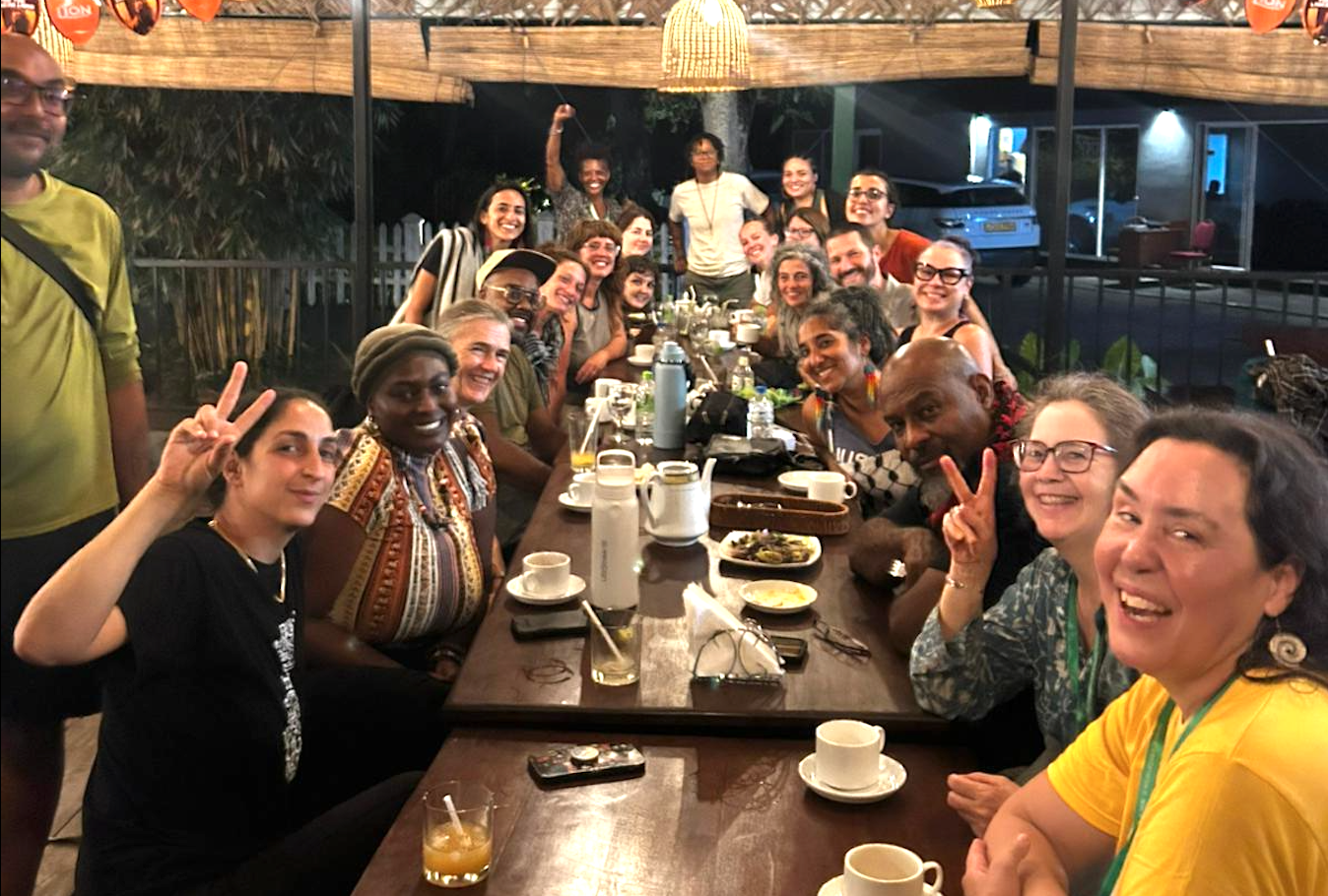
A delegation that includes members from the North American Marine Alliance (NAMA) has been in Sri Lanka this week for the 3rd Nyéléni Global Forum on Food Sovereignty. From September 6-13, more than 700 …
The Briny Kiss That Changed Everything

Pedro Altagracia takes the helm as Program Director, bringing his hands-on expertise and readiness to dive in. Here, he shares what led him to aquaculture and to NAMA. As NAMA’s …
2024: A Year of Bold Actions and Bolder Victories

In 2024, NAMA and our broader coalitions landed some major milestones as we expanded the movement for just, sustainable food systems. From a major court victory that blocked industrial finfish …
Merch that Supports our Movement
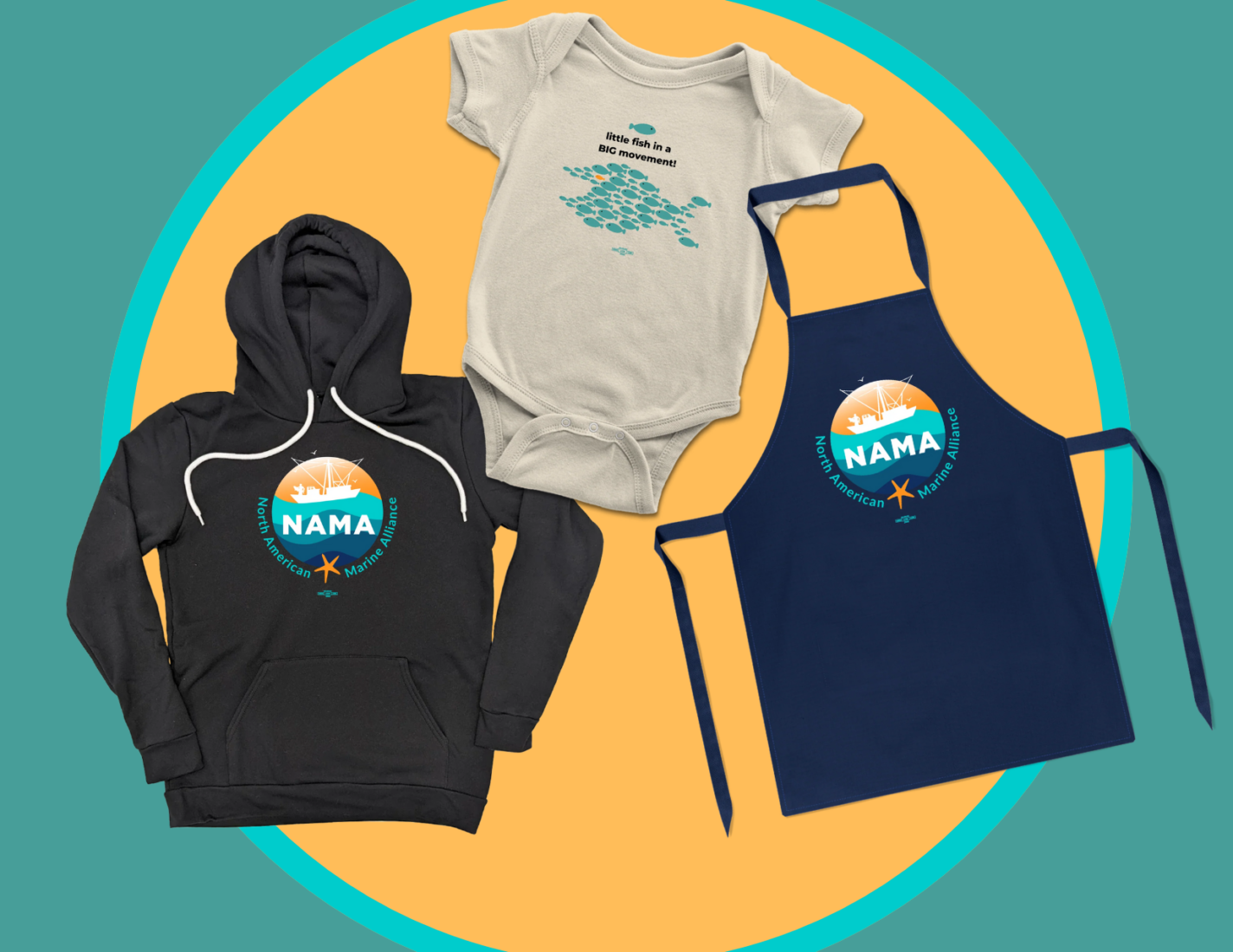
Have you always wanted a NAMA hoodie? Now’s your chance! We’ve got hoodies, aprons, and onesies for the littlest fishes among our movement! Our merch is made in the US by Worx Printing …
Hope in Muddied Waters? Peeling back the curtain on PBS’s new “Hope in the Water” series

Stories of hope are important. It’s just as important to follow the money behind the stories, so we don’t put our hope in the wrong hands. By Feini Yin PBS …
Fish Myths: It’s the fishers’ fault?
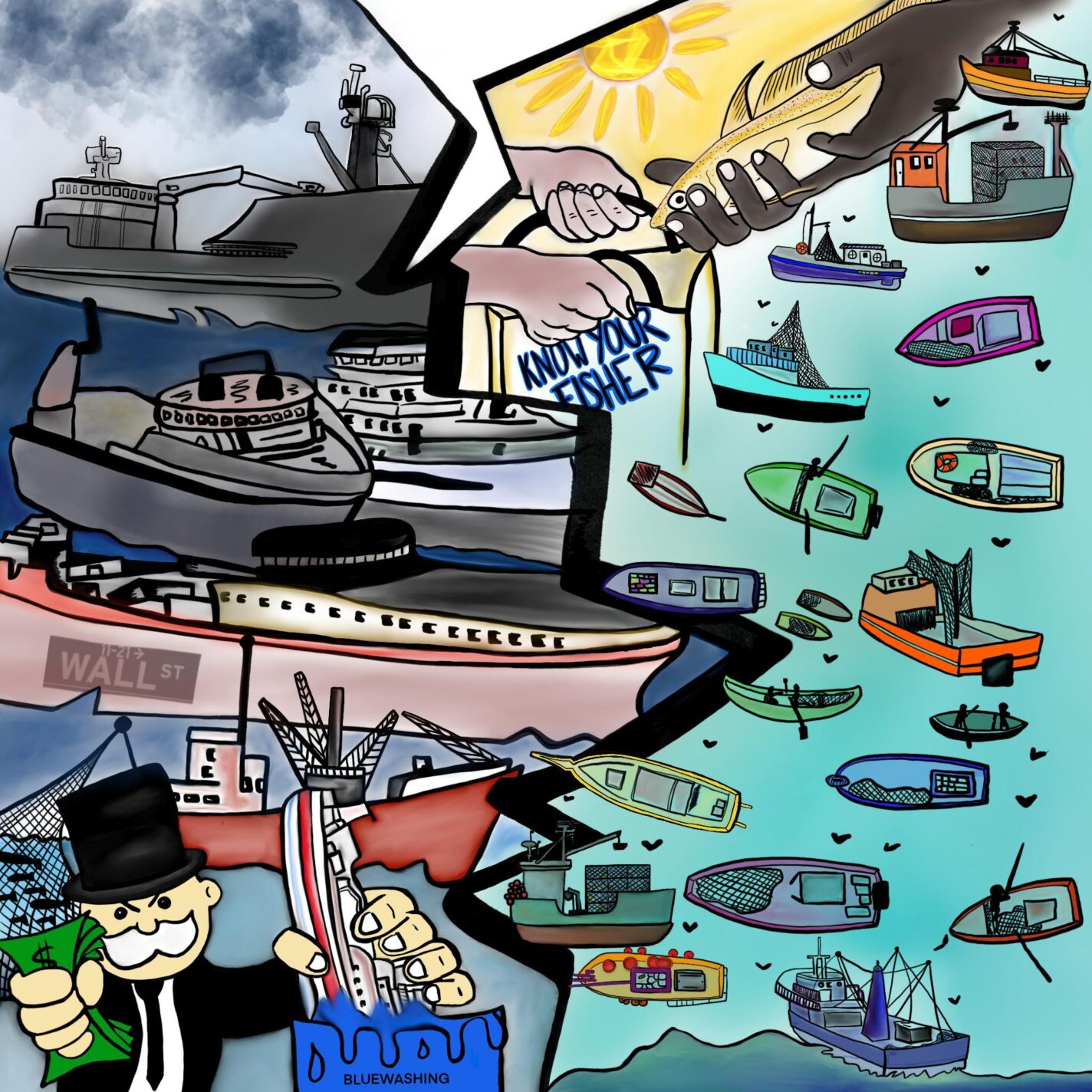
Myth: There are too many boats chasing too few fish. Fewer boats are better for the marine ecosystem. Small and medium-scale fishers’ greed is to blame for the depletion of …
Fish Myths: Wild Fisheries are Dead?! (Part 2)
Myth: US wild-caught fisheries are fundamentally unsustainable and have no future. That’s why we import so much seafood. To fix our trade deficit and eat more domestic seafood we need …
Fish Myths: Wild Fisheries Are Dead?! (Part 1)
Myth: U.S. wild-caught fisheries are fundamentally unsustainable and have no future. That’s why we import so much seafood. To fix our trade deficit and eat more domestic seafood we need …